The Big Little Man.

His head was round and stature short. His shoulders were broad and he walked with his head held high. His moustache reminded me of Charlie Chaplin and his calm made me happy. I called him Papaji, and the world called him Dr. G.R Sachdev. He was my Nanaji (maternal grandfather.) 

Born 96 years ago, he was illness free and strong as a mule with an unshakeable belief in all things good.  Life threw him quite a few twists and turns and yet he never uttered a foul word. A few weeks ago he moved on to a world where the angels and his wife of 60 years reside.  He was and will always continue to be an inspiration of an honest simple life, well lived.  Most kids are lucky if they can bond with one or two of their grandparents. I have been blessed to have actually lived with all four of my grandparents during childhood. I spent my tweenage with both sets of my paternal and maternal grandparents.  Papaji taught me how to live life in a positive way.  

As an 11 year old I remember waking up to his saintly chants at 5.30am and covering my head with as many pillows as I could. I remember the walks and feeding the ducks. I asked him, “why do you feed them every day?” He said, “some of them are my ancestors,” and I remember looking at him quizzically. 

Papaji was a man of little words. He didn’t say much but what he said was always meaningful. Today as he continues his journey into another world, leaving us behind to think and ponder about all he taught. I realized that most of my life beliefs came from his quotes. He was an ardent admirer of Saint Kabir and his verses.  

Every time I said something wrong as a tween, he would recite: 

“Aisee Vani Boliye, Mun Ka Aapa Khoye

Apna Tan Sheetal Kare, Auran Ko Sukh Hoye”


Translation: Speak such words, sans ego’s ploy

Body remains composed, giving the listener joy


While reciting he didn’t necessarily look at me or talk to me. He would many a times be a totally different room and pretend to be talking to himself. Always staying away from confrontations, he believed in the simple fact, that when one believes in God, it all eventually falls into place. 

Born almost a century ago, he may have been little in stature, but he had a very big heart and was progressive in his thinking. While his generation prayed for sons, he took pride in his three daughters and two sons. He believed in education and gave good quality education to all his five children thus allowing them to thrive as independent adults. 

Age and Father time don’t stop for anyone. We can be as young at heart as we desire, but there comes a time when this machinery starts clucking and clanking. He has been with us for so long, I never thought he would go away. And partially that’s his fault, he always said, I have an agreement with God, “I want to complete my century before I go.” And we would smile and say not only century, beyond that because you need to see your great – grandkids get married too; and he would then throw his hands up, rub his bald head and laugh loudly.  

Sending him off has been very hard. Maybe because he was the last of the grandparents to go. Every time a grandparent goes away, so does a stream of unbiased blessings. Yes, it is selfish, but I miss those blessings. 

For some little girls, it is their dad who tastes the first dish they cook but for me it was my Papaji. I had made bharta and roti. Bharta was not even close to being good and roti was not circular and yet he ate it and gave me a prize too 🙂 I like to think that’s why every time he came over he looked forward to what I was cooking. Any time he came to stay with me, he wanted  Gobi ka Parantha and Diet Coke. Yes, he loved Diet Coke. If we would leave him unsupervised, he would gulp down the 2 liter in minutes 🙂 

He was a stickler for time and schedule and believed: 

 “Waqt bahut balwan hota hain…Pal mein Shehanshah, pal mein rank” 

Translation: Time is very powerful. One minute you are the king, the next a servant.” 

I learnt how to respect time at a very young age from him and to date do not appreciate those who keep others waiting.  

“Funny how we listen when they are gone.” 

With every new memory comes a fresh tear. Today as hard as it is, I am bidding him farewell. He will always be alive to me.

His life and its journey through it re-affirms my belief in the circle of life. He lived his prime years in India, spent his senior years around the globe with his children and in his final phase, life magically whisked him across the seven seas to India. He passed away in the same place where once he bid farewell to his beloved wife. With that his life completed its full circle. 

Papaji, you were and are beyond all of us; continue to be the fiercely independent honest big little man that you are.  

Here’s another one of your favorites: 

“Maati kahe kumhaar se, Tu kyun rondhe moye….

Ik din aisa aayega, Main rondhungi toyeee….


Translation: â€śSoil says to potter, why do you crush me. One day will come, when i will crush you ”

This Gobi Parantha is for you Papaji. Have fun and continue to celebrate .. the sounds of Sukhmani and the brilliance of St. Kabir couplets will now liven up the heavens too. And, oh.. say Hi to Naniji for all of us. We love you. 


Picto Blog _ Point Arena Lighthouse, Mendocino County, CA

Once again, we decided to stay away from the crowds and go to a lesser known destination and enjoyed our spring break. 
Mendocino County, CA is not unknown. It is famous for its quaint artsy downtown and fabulous eateries… but we skipped it all to go to the Point Arena Lighthouse, CA
Approximately a 4 hour drive further north from the bay area, the light house marks the end of continental USA.  You can use the GPS blindly only to end up on the treacherous Mountain View Road or read up the maps and take 101 followed by either 1 or 128. 
US 1, is windy but so is 128. The advantage of US 1, its much more travelled and it’s more alive. If you decide to take 128, please do not take the Mountain view road, take 128 and then take US 1 to Point Arena Lighthouse.  Plan so you are at your destination during day light hours. 
You’re probably wondering why not take the route to the hotel first and then the lighthouse, well, because that’s a little known secret of this place. The lighthouse has cabins right next to it.  The cabins are not inexpensive, but they are well worth the price and the experience is unlike any other. 
I hope you enjoy this trip. 
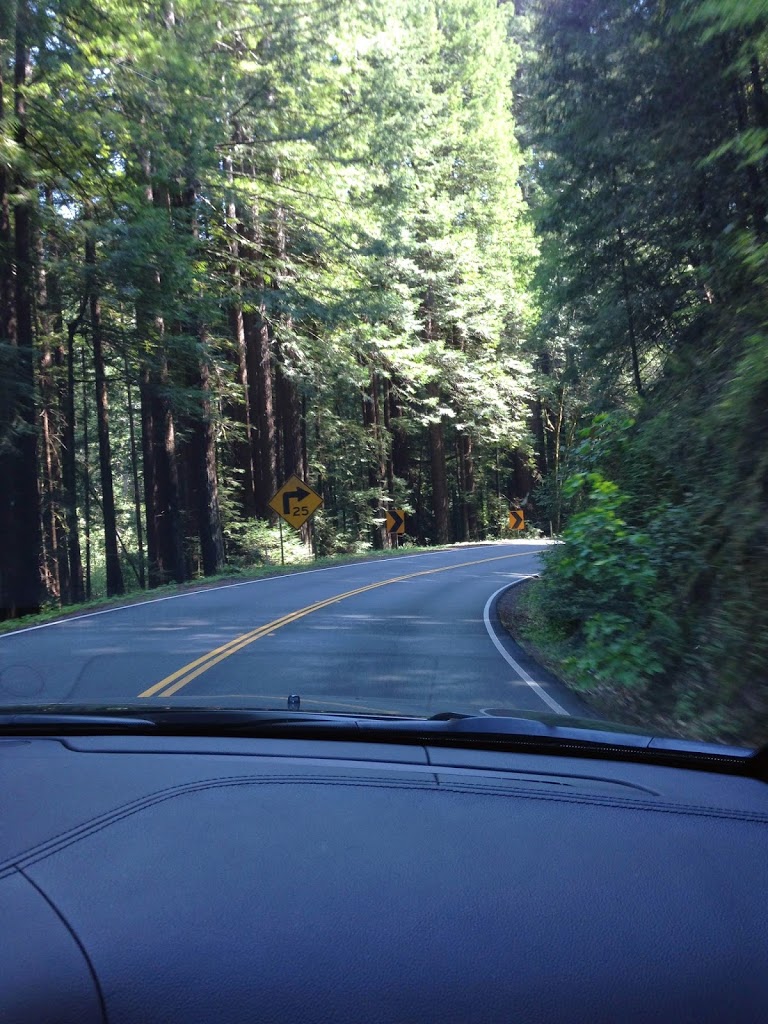
As we wound our way via 128

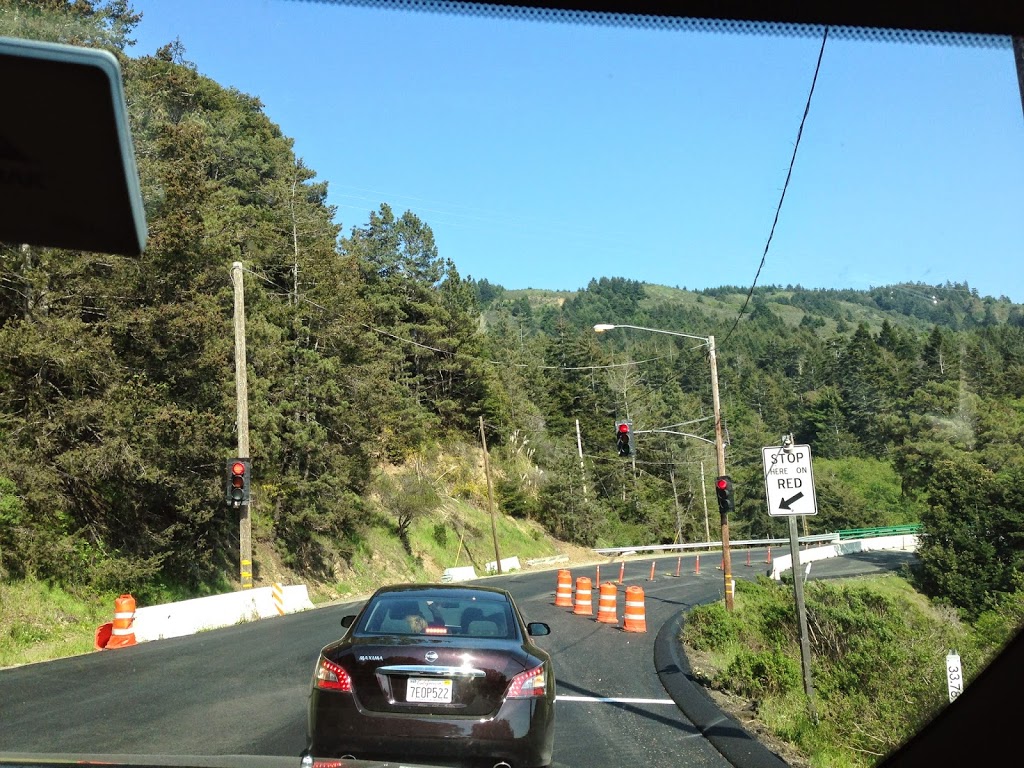
Once you take US 1 after 128, you will come across this random stop light. Please don’t break the law.
It looks kind of crazy to have a stop light when there is no traffic, but this is a one way road for now. We stood here for 2 minutes 🙂 

The view as we entered the restricted light house area. 

And then we were blown away by this. 

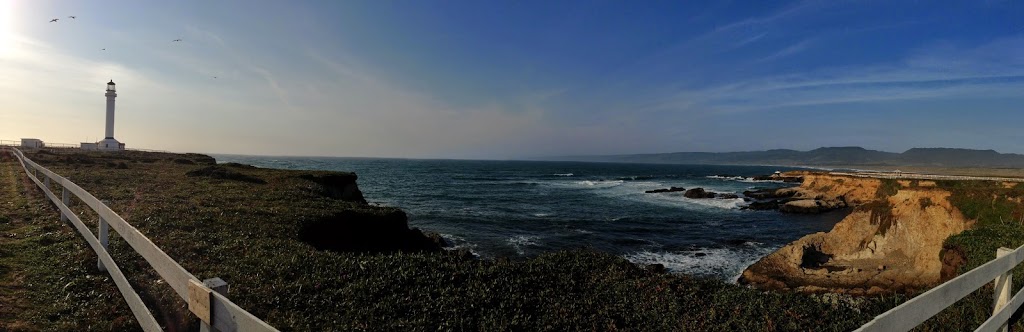
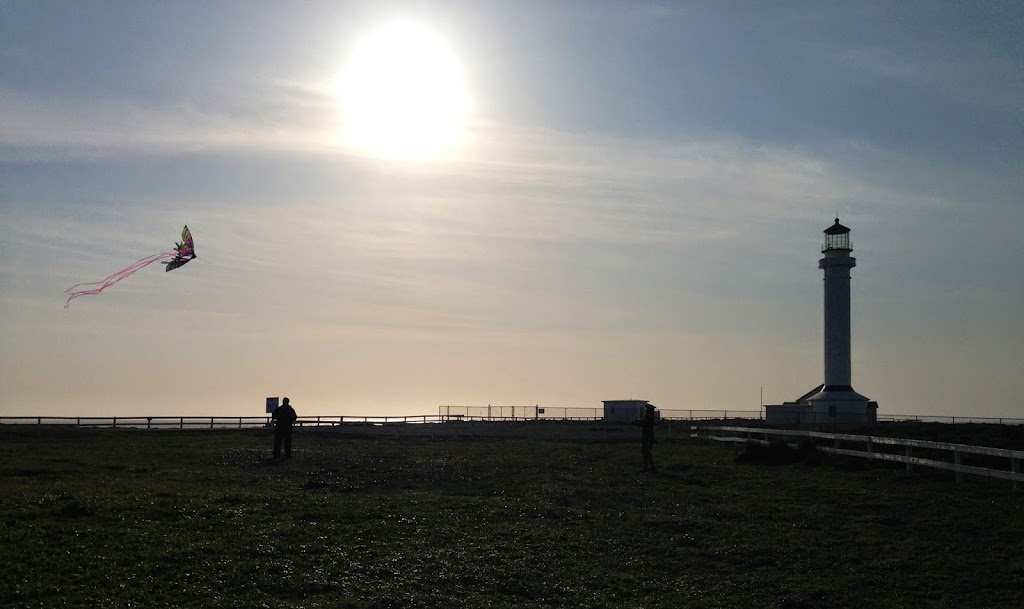
The Point Arena Light House standing tall and proud. 
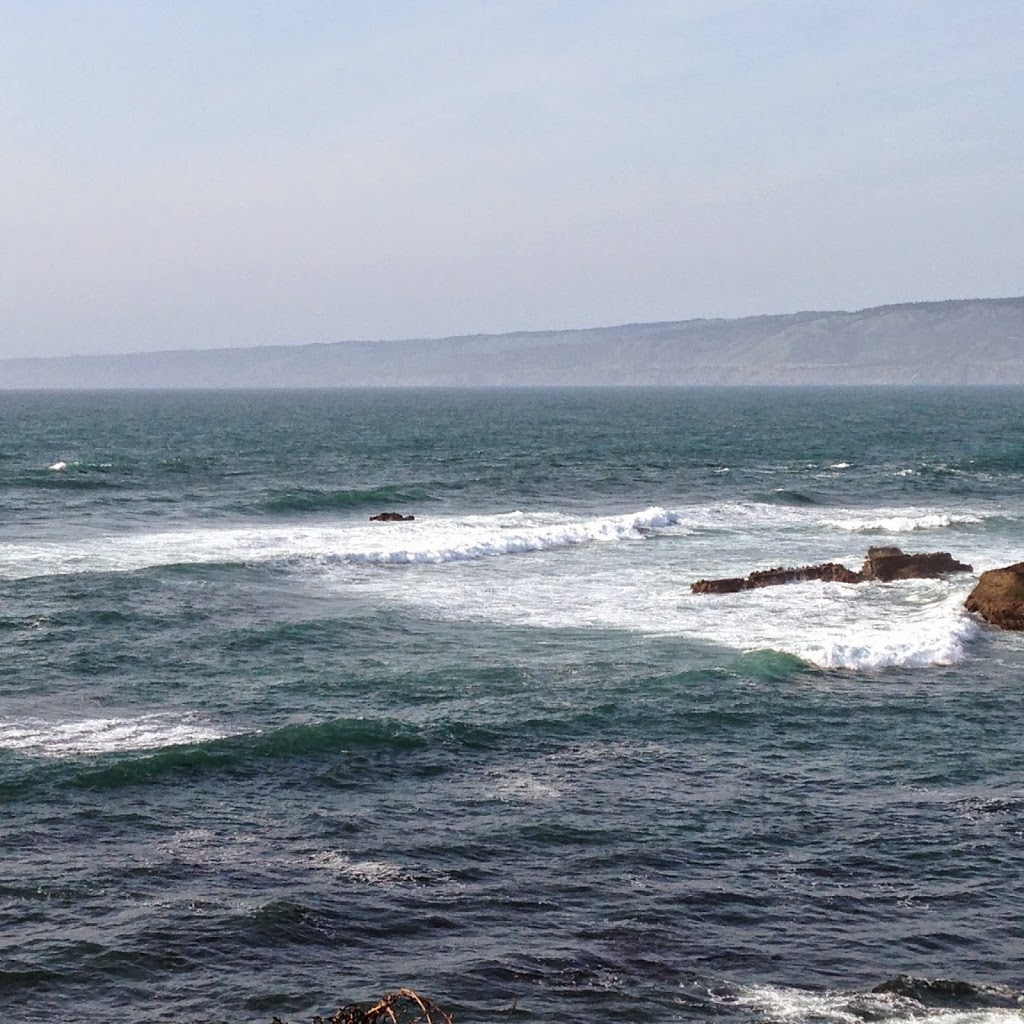
I stood for a very long time at this intersection, just staring at the ocean. It was mesmerizing and very calming. 
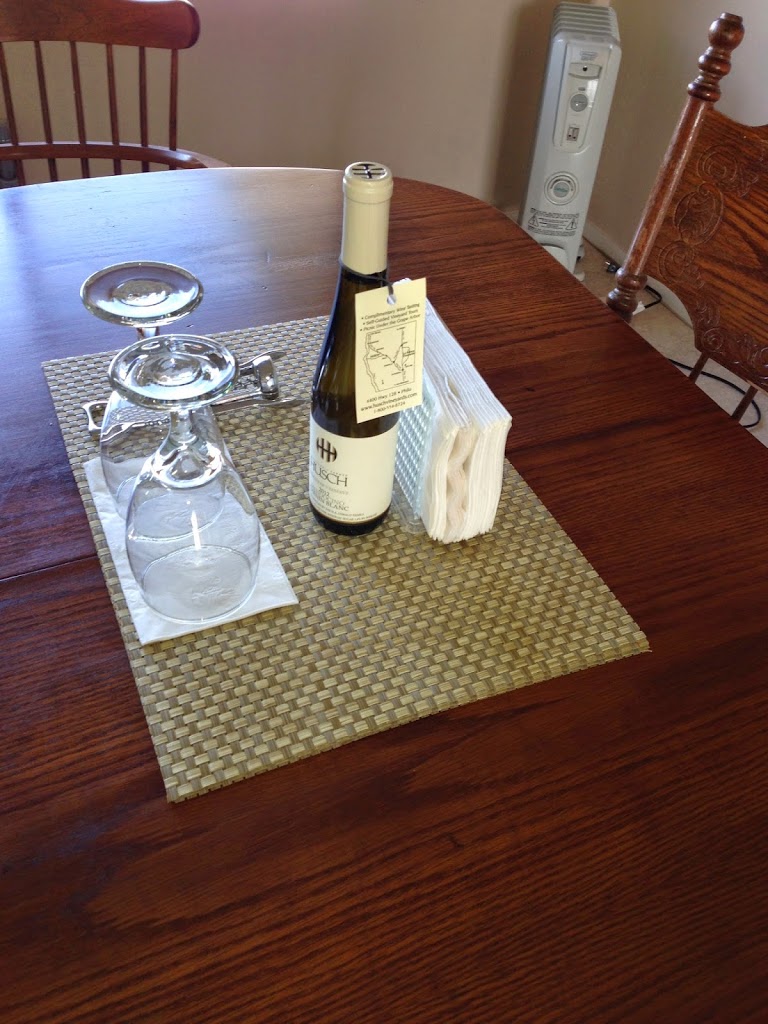
Complimentary Wine 🙂 Happens only in CA. 
I stood here for  a very long time mesmerize and at peace. 
Birds of the same feather flock together. 

They crashed against the rocks only to come back stronger. 

As I stood staring at these ways, I realized the importance of “respect” for the ocean. 

The kids did not miss Wifi, all they had was this one kite, but it was enough. 

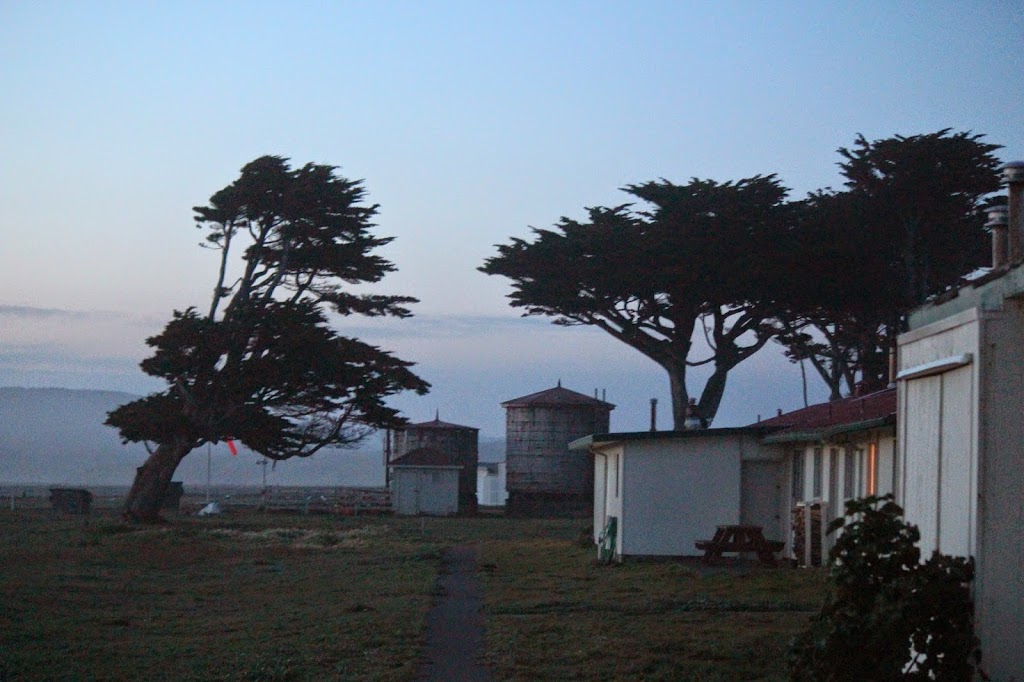
The Cypress behind the cabins. 

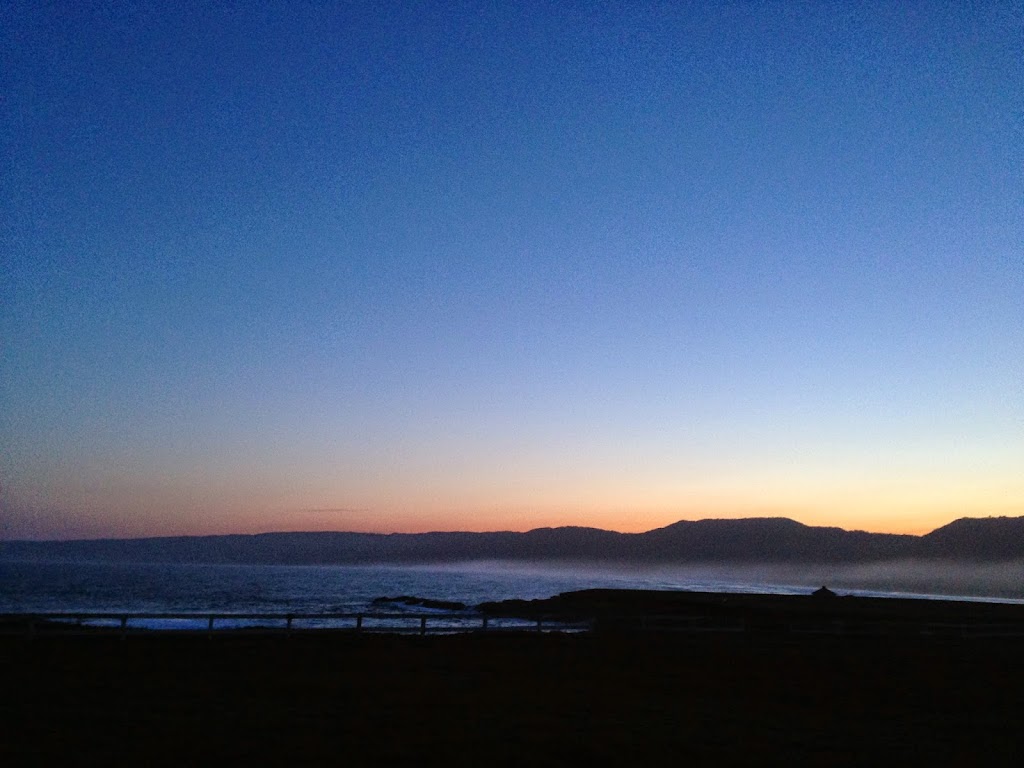
As the sun sets on day 1

… we realize how much there is to be thankful for.  

.. And the sun rises to give birth to another beautiful day. 
Day 2 starts with a tour of the Lighthouse. Yes, we climbed the 145 steps and spotted a whale.
The excitement was too much to capture on the camera. But we saw the spout and the guide confirmed it for us 🙂
He also mentioned that the light house is located on the Pacific Plate and the St. Andreas fault is only 5 miles away. 
Below that white surf, is an underwater mountain. We were told, until they knew better, ships have crashed into it. 
We then head to Glass Beach, Fort Bragg, CA.
The white is not sand, its tiny pieces of polished sea glass.
If you go, make sure you go to the left side of the beach and climb down into the little cove. 
Humans leaving their sad mark. 

Another breathtaking view _ this the right side of the glass beck, much more kid friendly. 

Wonder what their thoughts are? 

Just enjoy the view. 

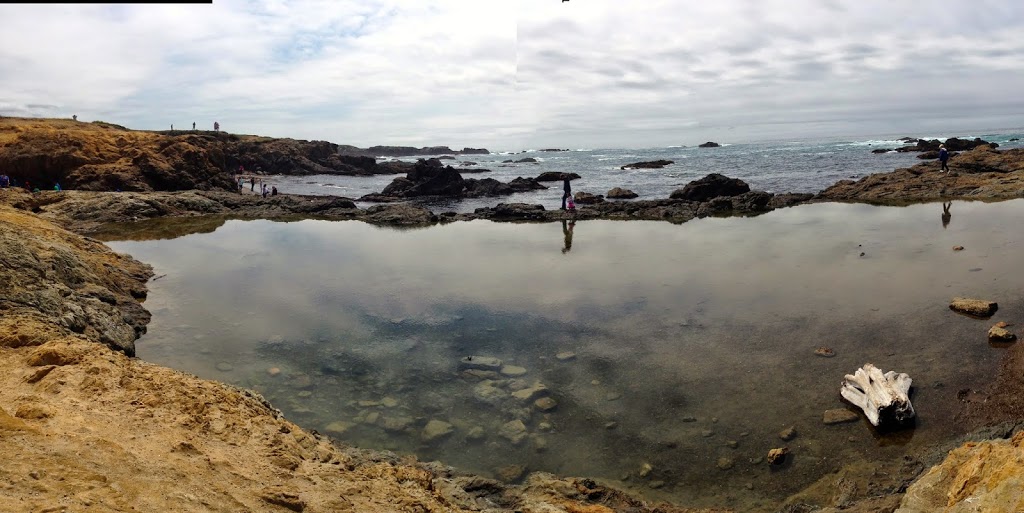
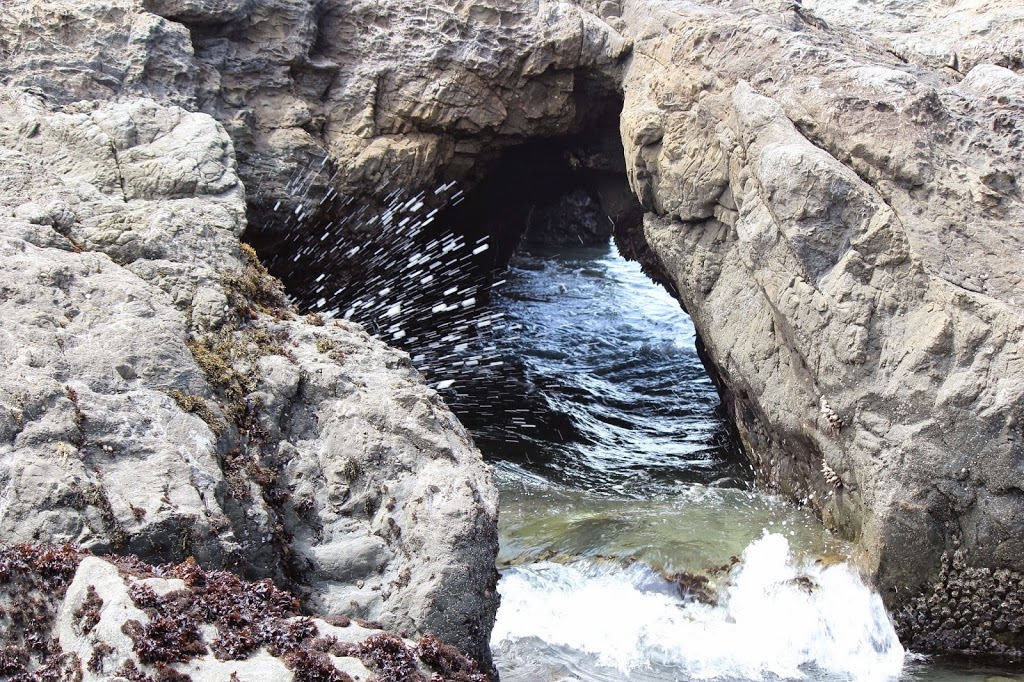
One of the many caves and tunnels water winds its way through in Glass Beach. 

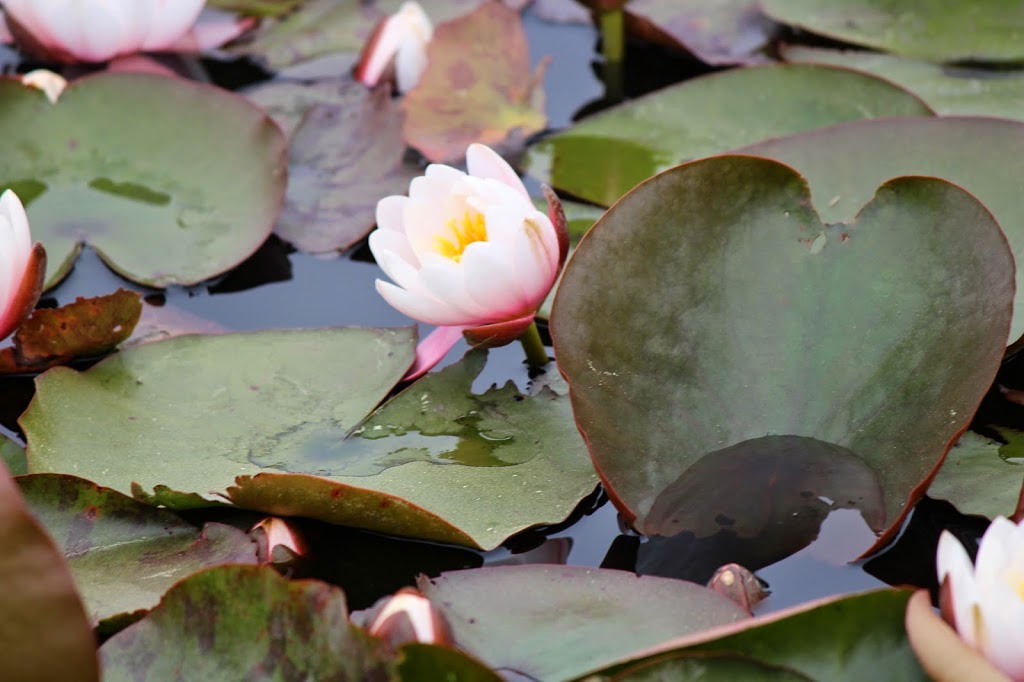
After Glass Beach, Next Stop is the Botanical Gardens. Sorry, I don’t remember the names. Just enjoy these beauties. 

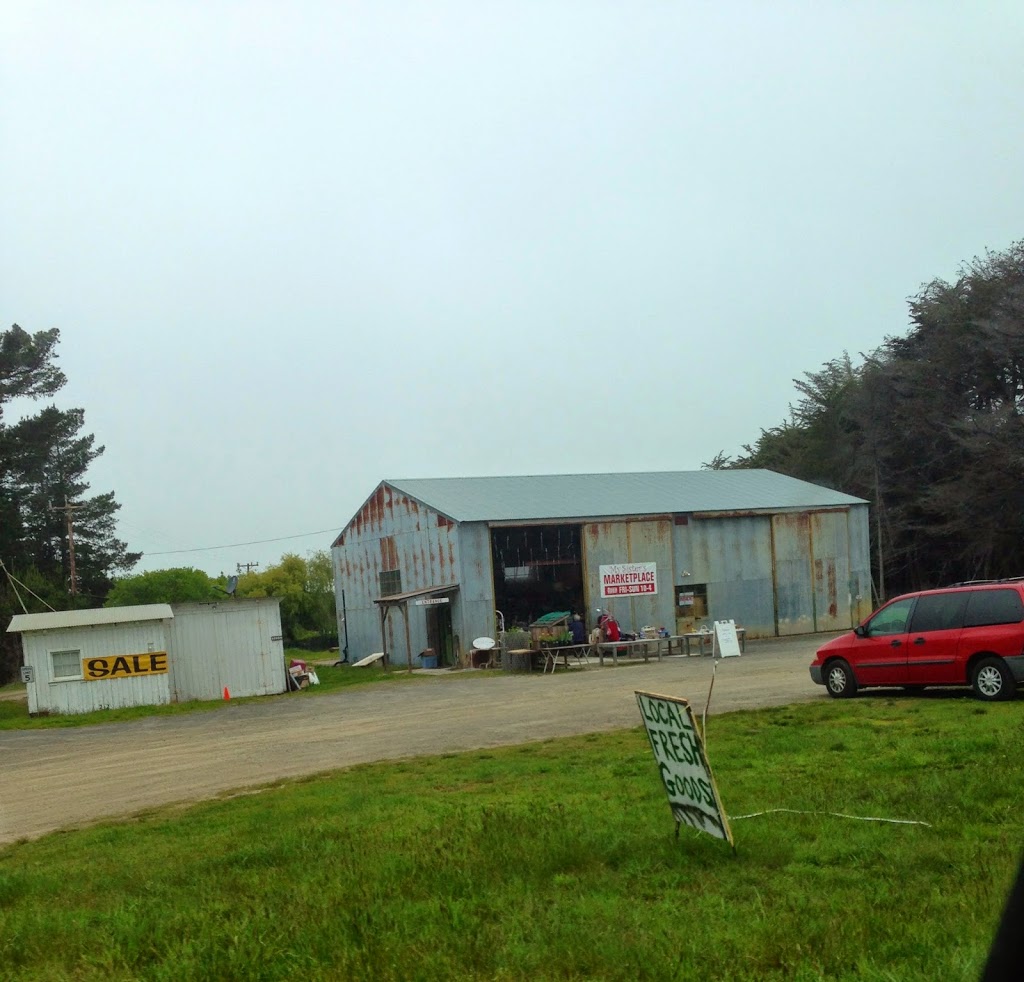
As we drove back, there was this rustic grocery store OR you can do what we did, go to Safeway in Fort Bragg, CA 🙂

The Market is open. 

Guiding the lost soul for decades

The wind was really blowing by now. 

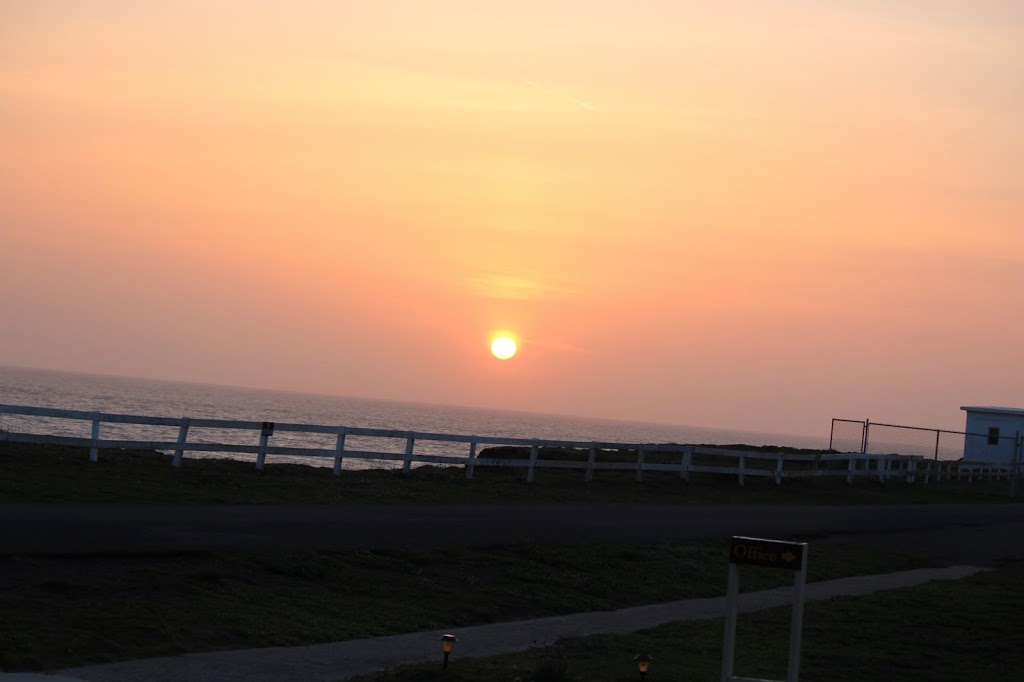
The sun sets on another gorgeous day. 
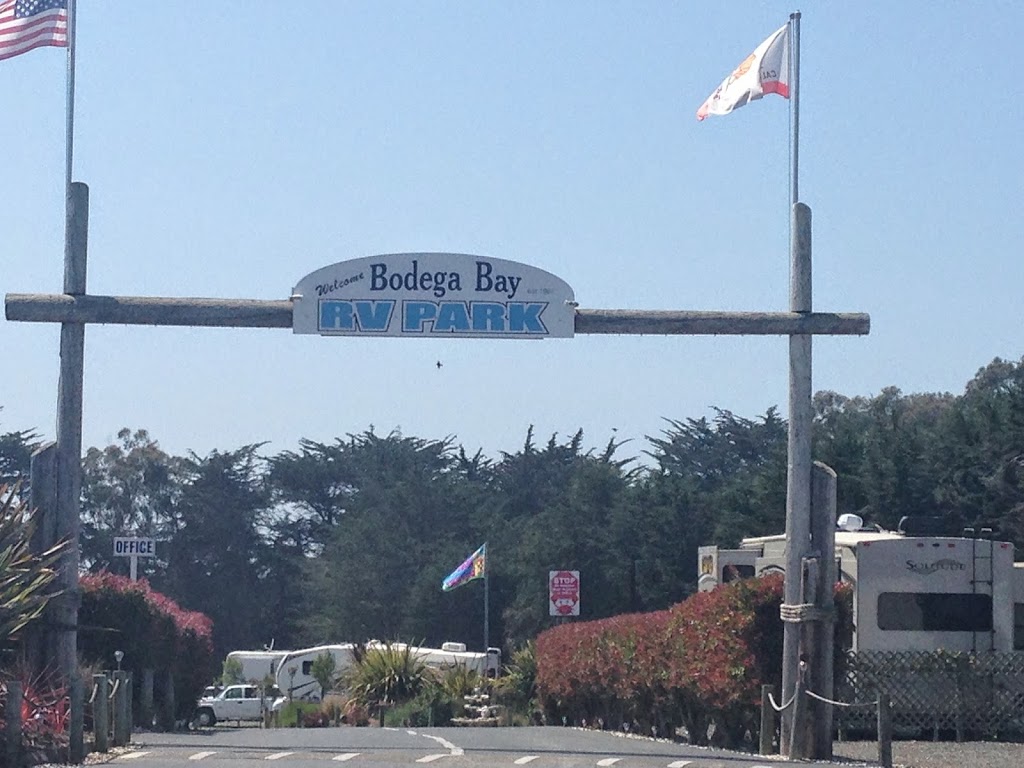
Day 3: We decided to head back on US 1 debating where to stop for lunch. As the passengers continued to argue, the driver turned into this random place on US 1. 
It’s an RV park? But we need lunch… 

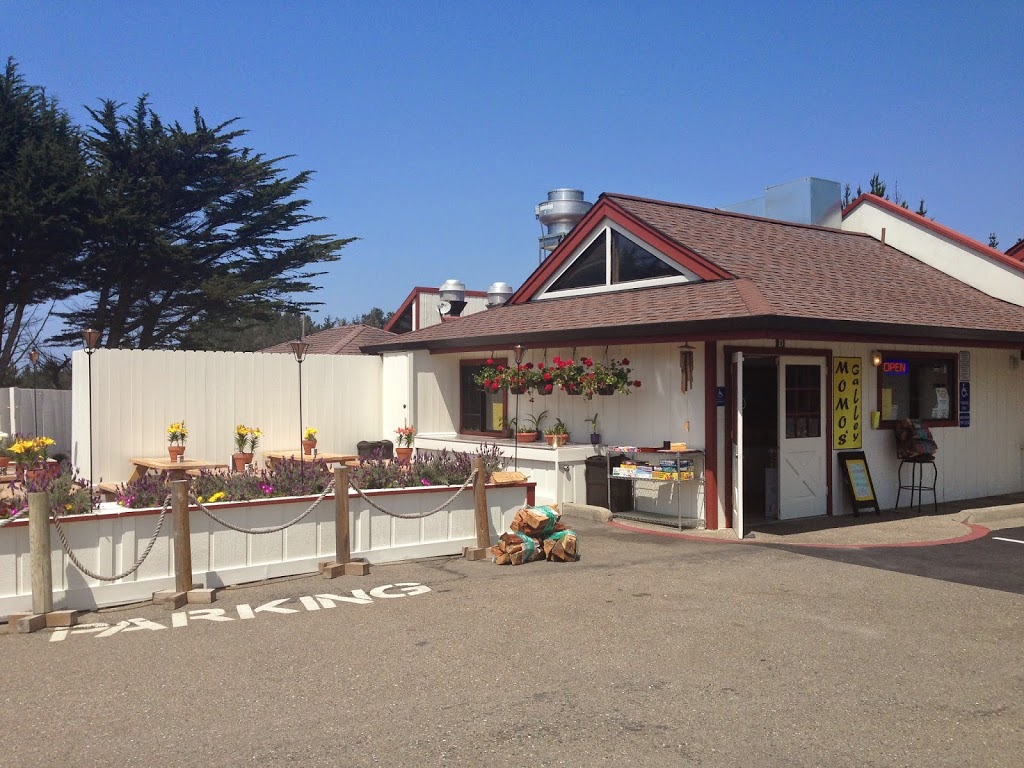
And then we see this .. quaint little place.. MoMo’s Galley. 

For a family that is constantly debating between vegetarian and non-vegetarian food, this place was god send and the food was heavenly.  Absolutely fresh food cooked from scratch. Yes, we actually spoke to the chef Mo as he whipped up the most amazing Chicken Satay, Pad Thai and Ginger Chicken. A definite stop next time we travel this road.
Like them on FB at: MOMO’s Galley on 2001 Hwy 1, Bodega Bay, CA

… And so ended a short but amazing vacation.

Hope you enjoyed this trip with me.. until next time. Keep traveling, even if it is virtual 🙂 

Woman, Are you Real?

“I love to read your blog, I don’t always get to, but what I do I am always amazed at your spirit ,and your way of making us all,Feel like Alice looking through the looking glass of life! Keep up the great work!” 

This is one of the sweetest comments a follower posted on my blog. Thank you for visiting and taking the time to write. Looking glass it is! We all including myself have a looking glass that helps brings things into perspective and then we look away to accept the reality as it is. I honestly don’t blame anyone who does so, life is challenging and if all of us can just be, that itself is an achievement to begin with. 

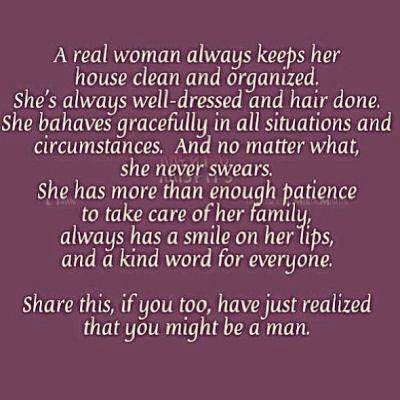
Coming back to today. This blog post has been in the making for decades now. It took this share on FB to bring it to reality. I’ll let u read this first. 


So what do you think? Who are you? 

I don’t think my house is always clean and I never have enough patience, enough smiles or enough kind words on a daily basis for everyone I cross path with; and yet I am a WOMAN in every sense of the word.  

Who is a real woman? Is she the perfectly dressed lady you cross paths with every morning when you drop of your child at school, or is she the amazing multi-tasker who manages her work and home like clock work and still has time for her kids or is she the one who says “I can’t do it all. I need time for myself,” and so she hires help to take care of the routine stuff. 

I think they all are the real woman. If they choose to believe otherwise, that’s their decision, but they are amazing women in my world. 

We are trained to think of beauty and perfection in a certain way. Some blame it on mythology, some on world pageants and I blame it on no one. It’s a perspective, there is no right or wrong about it. 


Today as the world leans in, the pinks move into the shirt aisle and the Lego’s are now pink and purple too, I look through my looking glass and see myself years ago. I maybe an odd one out here, but I love buying dolls for little girls. What’s wrong with that?  I loved dolls as a little girl, I loved flaunting my adolescent beautiful long hair and enjoyed just being a girl, and yet today I can use a drill machine with equal ease. 

Don’t get me wrong here, I am all for girls being taught science and taking leadership roles but like every thing else today the word “feminism” is going through a shift too. Feminism is often considered a synonym to misandrists, today it’s not.

Feminism to me is simply celebrating being a woman, and she can do that as she flies a plane,  builds a deck using power tools or simply by choosing to be pretty.  

When the post above, says that you must be a man because no woman in the real world does all of the above. I disagree. A real woman does not need to do all that. 

A real woman: 
  • Is honest
  • Cries her heart out every so often
  • Screams if she needs to
  • Understands the power of silence 
  • Knows her worth. She will let others get away with only so much 🙂 
  • Is confident in her steps
  • Wears sweat pants, does not wear make up and is comfortable in her own skin
  • Sometimes takes her own sweet time to find her objectives and goals in life
  • May not have all the answers and is not afraid to ask for help
  • Has one AWESOME girl friend
  • Needs to vent out, and hey sometimes even just b**** about life. 
  • And yes, when she meets a real man, she is not afraid to spend her life with him. She will make his dreams her own and push him to achieve them even if it is at the cost of her dreams
  • But if she doesn’t meet one, she is confident to take those steps alone and make her own dreams come true. 

It’s not about the hair, the house or how elegant her dress is. 
It’s about her; and to her it’s about being real and hers.  


Beyond Culture.

One of the biggest challenges in modern times is keeping the family values and traditions moving forward and appreciated. In some ways a sustainable development of its unique culture and heritage. 
As kids get wiser and smarter, we as parents are often faced with the question, what is our culture? While this question is more visible in immigrant families, I believe it holds true for natives too.   
The kid is learning about ancient civilizations now, and India is the last one they will study. Am I looking forward to it. Of course I am, its a legitimate opportunity for me to gloat about all that India has offered to the world from the zero to the science of Ayurveda to the modern Fin. I am however dreading the question, What is Indian culture? Most Indian parents start off by saying its about how the family sticks together and they prove this by restating the fact that Indians pay for the college, marriage, honeymoon, and if they can the first house too. And by doing so, most of us immigrant parents fulfill our moral duty of being Indian and taking care of our kids.   
Is that really what Indian Culture is?  Do any of us really know how to answer that question? I know I don’t. Culture is yet another word that is often defined individually.  
Last Thursday, I missed the blogpost as I was busy being a mom and getting some kids ready for their performance at the school cultural show. It’s an annual event of brilliant performances, good food and friendships. It’s a happy fun evening for all.  On the face it looks simple, get a few kids, make them perform, order food, plan the seating and voila you have a cultural show, but like most beautiful moments in life, there are many small moments that go into making this gala event possible and for the school it was many volunteers and hours that made it happen.  
The International Samosa

For a few moments, I took the time to go outside and have a bite. As I sat eating, I saw the longest line at the Samosa counter, and then I counted, out of the fifteen people standing in line, only 3 were Indian. I kept looking and mumbled to myself; “Samosa is International.” 

This trivial realization was the inspiration behind this blogpost.   
The two hour school cultural show silently brought forward elements beyond the singing and dancing. The school talent show for the kids and by the kids can teach us adults a lesson or two. I saw kids cheering for their class mates. They did not care if their act was selected or not. They were just happy to see their friends perform so well. They are creating a new culture. A culture that will adopt the  best of the world they live in. It is interesting how we as selfless little beings grow up to be adults that snear before cheer.  

Culture to the talent show and students was about the music and dance. For the parents it was  about the variety of food and bringing out their beautiful ethnic clothes.  The community on the other hand saw the sense of belonging. It was about crossing the geographical boundaries to truly adapt and adopt the world we live in. 

The eastern world claims to have a culture deep seated in spirituality and traditions and thus making it more stable and honorable.  The USA just like its counter eastern countries is an amalgamation of different cultures and traditions. Just as India was invaded by many, the natives in the USA did not have it easy either. They were invaded too.

The key difference between the eastern and western world is beyond culture. It is patience and humility that differentiates the cultures and like humans, it is about the age factor 🙂 

As we grow old, we learn to be more patient. We understand the value of humility and empathy. The younger generation is often blamed for being selfish, arrogant and yet brilliant for they have the power to define the future. The same is true for countries. As a country matures, it learns patience. It learns to understand the world and choose its friends wisely.  The youthful nature of USA is reflected in its capability to adapt and accept any culture.  Its continued inventive and creative thinking to improve the world we live in demonstrates its brilliance.

Today, as I wrap up the moments from the cultural show, I hope the “sense of belonging” to the school continues not only for the students but for the parents too.

Culture today is about accepting, being humble and sharing ideas, vision and resources towards the common goal of bringing out the best in our world. 

Holi Everyday.

A box of crayons is a joy for a child. Its the one place where nothing contradicts. It’s always a contrast or complimenting color but never contradictory. 

It’s no secret, I love colors; from the calming blues and passionate reds to the confident black and innocent white, I love them all. As a citizen of the world (I think) born in India, colors and Holi are synonyms to me. 

India or USA, March is the season of spring everywhere. After a freezing winter, as the warmth of the sun emanates the Earth. It’s when every seed frees itself and bursts out to celebrate life. As Robin Williams once said “Spring is nature’s way of saying “Let’s party.” Party is what India does during spring; celebrated on the full moon during the month of Phalgun, usually the month of March, spring creates a beautiful mess like no other fesitval 🙂 

Imagine playing with colors with all your friends and neighbor-hood, what you get is a sky full of colors.  The question is why do Indians celebrate Holi? Well like everything else, there is a mythological angle to this to. So long time ago, there was a king Hrianyakashyap. In return for his unshakeable faith and worship to Lord Brahma, he was granted the boon of immortality. What would happen to a man who was granted immortality? Like they show in the Hollywood fictions, yes he did start thinking of himself as the god and created trouble for all.  Fortunately for the world and mankind, his son Prahlad, was not like him. Prahlad, was a good soul who did not agree with his father’s evil intentions.  Angered at his son’s  opposition and after many failed attempts to kill him, Hrianyakashyap orders his son to be set on fire with his sister Holika, a demon who was thought to have immunity from fire.  The gods came together and saved Prahlad and the evil was burnt in the fire.  So Holi in one part celebrates the victory of good over evil.  

There’s another romantic angle to the story too. Lord Krishna is worshipped my many Hindu’s. Historically, the hindus worshipped Krishna by putting red color on his idol, friends and family. It is believed that Krishna used this opportunity to have a little fun with his beloved Radha and the rest of us mortals just followed 🙂  

This symbolism of devotion today is the fun filled crazy color flinging fun,  we know as Holi. 

Growing up in India, Holi instantly brings back memories of getting up early, wearing that specially selected pure white outfit and teaming up with friends to roam the street aimlessly and fling color at each other and passers by. Yes passers by, that’s the beauty of the festival, one can throw color at anyone and there is never a yell or scream that comes back. The only reaction is a smile.

Today, Holi for me continues to be a favorite festival, but the crazy runs to neighbors and friends afar has been replaced by a family affair in the backyard where in my son loves taking the hose pipe and drenching his mom with it. It’s the one day he can do this and not get yelled at 🙂  This is the play part of Holi. 

In reality as I look at Holi today, I see and realize it is a part of my every day life. Holi symbolizes much more than the mythological victory of gods or the love of Krishna, it’s about embracing the different colors of life.  Life is like a box of crayons. It’s filled with bright vibrant reds to melancholy yet calming blues.   


You don’t need to actually play Holi to celebrate or believe in it. I don’t play every year, but I know I celebrate Holi everyday because I love colors in my wardrobe, I love colors in my cooking and I love colors in my paintings.  There are days when nothing seems to go correct, on those days it’s the vibrant yellows blend effortlessly with the blues to create the life giving greens. 


Colors are beautiful; while the red is passionate and exotic, and green brings life, black is a beautiful color too that stands tall with its distinct personality and yet absorbs all that is thrown at it, White on the other hand teaches us to ignore the minor differences and blend in as one human race.    


Colors silently teach us to compliment and not oppose.  

Wishing you and yours a very Happy Holi. 


Am I the Mean One?

Thank you for the encouragement and responses to last weeks guest blogpost. You made an eleven year old very happy.

Today, I am very excited to have got permission form another budding artist, poet and writer. This is also a guest blogpost by a young twelve year old. She is a voracious reader who takes inspirations from her reads and writes short stories and plots for her future novels. She ‘scribbles’ poetry every now and then and thinks that she is a bad Poet. 🙂 

She compliments her writing with her own illustrations and loves to draw and color/shade. Manga Art is her favorite. Juggling her hobbies and school, she also finds time to practice gymnastics and swimming. Like all tweens, her friends are her life!  
At such a young age, her writing and art reflects human emotions. It is special when a twelve year old is sensitive to the feelings of others. Her work has been commended by her seniors and peers. One of her poems won Reflections’ Award in Lawson middle school in 2013. Also, her poem was part of Young American poetry digest.

Her poem “Am I the Mean One” is her perspective on bullying; a growing problem in schools today.


AM I THE MEAN ONE? 

When people pick on me
I cry because I am mad
So I get even with them 
And then I am glad

But then I am sad
because I am not always mean

But they make me feel like a small bean

So does that make me mean?

I am not mean or Am I?

– By Rujul


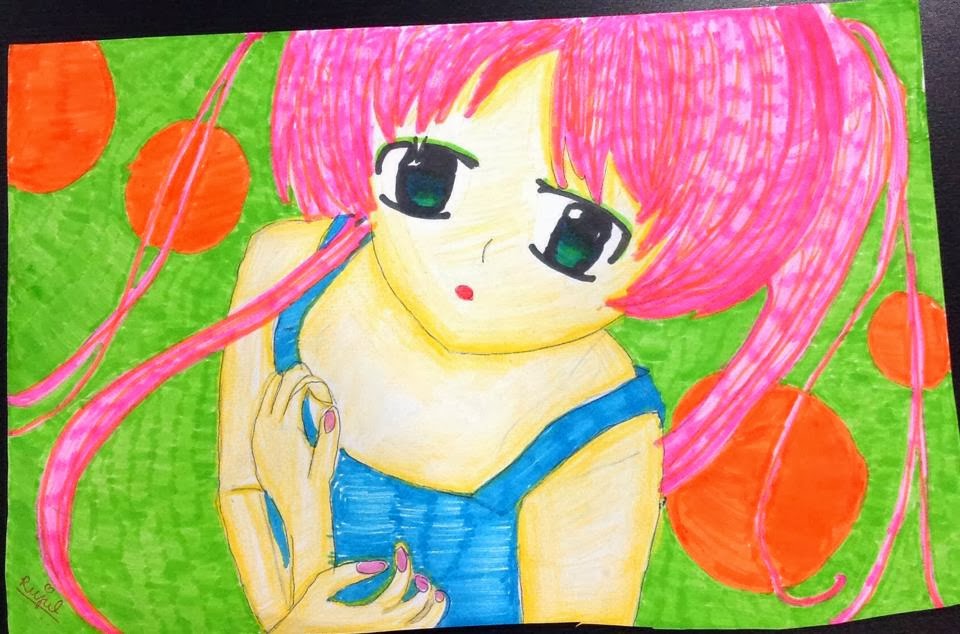
Art  By Rujul : Reflecting the feeling in the Poem “Am I the Mean One?”
I think its a brilliant illustration. Love the questioning sad expression in the eyes and how she is cuddling herself.

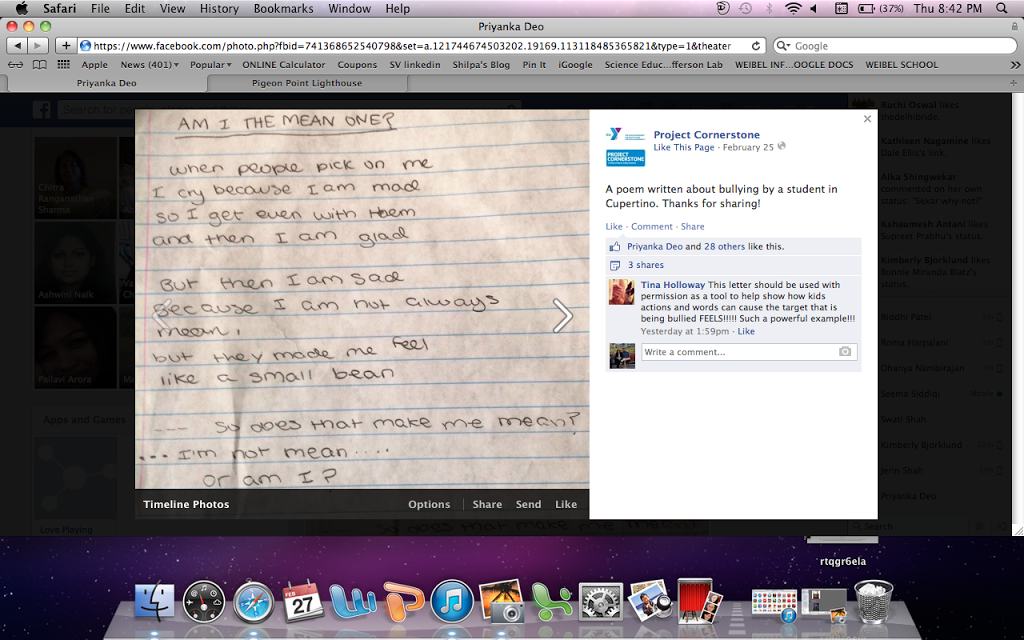
Her poem was also chosen by Project Cornerstone as an illustration of how kids feel when bullied. Below is a snapshot of their Facebook page. 


Please join me in wishing this budding writer, poet and artist success in all her future endeavors. I look forward to reading her publications.

The Change.

Today’s post is a guest post by a eleven year old. His challenge was to write a persuasive essay on how to spend the ten thousand dollars his school won. For keeping it neutral, I asked him to change the names but the text is his own.  My favorite part was when he recognized that the “coolness” of technology can actually prevent kids from going stray.  Hope you enjoy this.

The Change  

“It’s happened, Wildcat Elementary School has won the jackpot of ten thousand dollars. Now Mrs. Fabulous comes the tough decision; What will you do with all this money? Well, my brain is teeming with satisfactory ideas and I have chosen a stellar one that will change education in our school forever.  This genius idea is to get our school “plugged in” or include electronics in our daily curriculum.  Wildcat Elementary should have electronics because today everything is online. We could use these tools for helping us research stuff, learn from experts and also motivate kids to learn. 

If a teacher gave a student a school project and they needed to research information, what would they do? Laptops and desktops are the answer. These devices are easy to use and give us an immense amount of information in a very small amount of time via the internet.  This helps the students improve their grades and prosper.  The students will be motivated to learn the facts or use high vocabulary words that they made an effort to search for and thus remember them better too. 
Today there are tests, quizzes and learning sites that are solely invented to help kids learn and succeed. If we had electronics, kids could to an educational website to find the solutions to their predicament. One example of an educational website is Khan Academy, a website that has helped millions become more educated than before. There is also online pretest websites that helps kids prepare for exams. One such example is Smarter Balance Testing . This is a website that helps kids get ready for smarter balance testing, a new program in schools that is replacing STAR test. 
Some kids just don’t want to learn. They think that there are much more important things than education. That’s why many kids start taking drugs. They think learning is boring.  If we had electronics in our school that wouldn’t be a problem. These fancy gadgets are alluring to kids, so if we would buy them kids would start to love education. For some kids that are in poverty, this maybe the only time they will get a chance to learn using technology. 
Even if people want to ignore it, technology has become a major part of everyones lives. Some people wouldn’t even be able to live without electronics. This is why electronics should be allowed in our school. It will help kids do their projects by researching information, kids will learn using electronics and kids will want to learn too. So remember I want to get this school “plugged in.” 

Education Evolves.

The purpose of education is much more than acquiring job skills and earning money. Centuries ago Aristotle with his selective choice of words and quotes that spanned generations made it clear that education is the way to eliminate poverty and empower man for the well-being of the society.  Today repeated research echoes the same thoughts.
The recent January 2013 OECD report (click the link for details on report) brings out some interesting findings. The accuracy of these findings can be argued but I think the core of their findings is something we knew all along.  
  •        Education increases the life span.  
  •        The educated citizen will participate in more civic activities.
  •        There is an increased level of happiness amongst the educated vs. the non-or lesser educated.

The above seems pretty obvious. Right?  Better education translates to improved resources and greater access to good health care and thus the increased life span. Better health with improved resources translates to increased happiness too. A higher education allows us to become more aware of our surroundings and its needs and as a result we try and give back more to the society we live in. 
Clearly the status of education or the education policies of a country influences more than just the students, teachers and parents.  So why has this industry been in hibernation? Why is it that teachers in the United States lack the respect and salaries of their counterparts in European countries? Why is it that US has consistently fallen the rank of PISA ratings and yet its neighbor Canada ranks in the top 10? 
Last week, I shared a subjective perspective on education, this week, it’s an objective perspective of Education: The Industry.
There is more to education than just teachers, schools and colleges.  It is an industry surrounded by many mushroom industries that keep the wheel of education moving forward or at the least balanced.
Investopedia (www.investopedia.com) a common man’s guide to the basics of finance defines market as “a medium that allows buyers and sellers of a specific good or service to interact in order to facilitate an exchange.” The price paid is predominantly decided by the supply and demand of the good being sold. In the context of education, the primary consumers (buyers) are the students and or parents.  Further, since education influences the whole community and in large the society as a whole, one could argue that the society is the consumer.  Sellers are the institutions. Either public or private institutions supply education. The government and or non-profit institutions sponsor public education, whereas schools and or individuals who charge a mandated fee for their services supply private education.   

The key element for the existence of a market is not the supplier or the buyer; it is the presence of a good that is “in need” and “in demand.” The good here is “education.” What kind of good is education? Is it the kind that should be easily available to all irrespective of their income strata OR is it the kind that should be available to only few who are willing to pay the price?  If you said, both, then you are correct, it is a mixed good. The failing public schools have created a market for private education, thus creating a need and demand where in parents (the consumers) are willing to pay the price in hope for a better future for their kids. From a finance perspective, they are making an investment into their kids’ future by diverting their limited resources (salary) into their child’s education.

There are proponents for all three situations making education either a public, private or mixed good.  For the purpose of this blog, we will consider education to be a mixed good since education provides individual and community benefits.
If it were simply a private or public good, life would be simple. But then it wouldn’t be interesting enough to write a blog post. 
Education being a mixed good calls for many different decision makers thus complicating things.
Dynamics of the Market of Education:
The very definition of market calls for competition. Here the competition is not only between private and public schools within a city, but the competition extends externally and is both inter and intra school districts. The rules governing them are similar with minor variations coming from state and local laws. 
Economists classify market structure into four broad categories (1) Perfect competition, (2) Monopolistic Competition, (3) Oligopoly and (4) Monopoly.
Very briefly, in a perfect competition there are very large number of buyers and sellers with no barriers to entry and no product differentiation. Monopolistic competition is similar with some (minimal) product differentiation. Oligopoly and Monopoly both have high barriers to entry, with the difference being; the number of sellers. In a monopoly, like the name suggests, there is one seller whereas in an oligopoly there are a few sellers who have a similar product with a key differentiating factor and while they are individual companies, it is in their mutual interest to work together.  The best example is the airline industry. 
The blog identifies education as an Oligopoly.  The sellers (both private and public) provide good education differentiating themselves either with the curriculum taught, the method of instruction, the extra activities offered and or the philosophy of education.  Competition in the market allows the private schools to sell their services for a price with no player trying to price below market as that results in lower price points for all.  Public schools don’t have to fight to attract consumers. Differentiation there comes from a better academic environment, good neighborhood and the prospect of being in a high achieving neighborhood wherein the residents share similar values. This translates to increased property prices for school districts that have a high academic performance. An testament to the mixed good status of education. 
Purely to understand this further, let us assume for a minute that education is purely a public good, in that case the seller would be the government and the market structure becomes a monopoly. Thus eliminating the need for competition as parents would then not be shopping for individual benefits. 
Coming back to the oligopolistic market structure of education, this market structure is going through a paradigm shift and moving towards a monopolistic competition.  How?  By the use of technology.
Technology disrupts; but not in isolation. Technology by itself cannot change a market. It is the application and the use of technology that may or may not disrupt a market.  Unfortunately, technology has always been an option in the field of education, never the mandate. This is the aspect that is changing and demanding an overhaul of the education policies. S.T.E.M subjects are once again coming back into the forefront. Interestingly the demand though is coming from the industries and not the education institutions. The development of the common core standards was also in reverse. The college readiness standards were worked backwards to arrive at what the teaching standard should be for K-12 students 

The first major disruption in K-12 education came when Khan Academy introduced the idea of free high quality education. It provoked public schools to think outside the box, and many teachers tried the model of learning at home and doing the homework in class. The experiment has been a huge success with the academy reaching greater heights both as an institution and its reach to the global student population.  Once the disruption happened, many other instituions came in, with University of Phoenix being amongst the first few for college level education and now companies such as Coursera and Udemy are creating a disruption again, by offerening courses to anyone, irrespective of age. For instance, a 6th grader interested in learning HTML can now take an online course from these private entities to supplement the missing elements in a traditional school environment.  These companies are providing a platform for both the educator and the student to come together in a virtual world and exchange the good of education for significantly lower prices than a traditional brick and mortal model. 

Virtual academies both at the K-12 and college level are gaining popularity as they allow the flexibility of pursuing passions and learning at a price point that is below the market price, thus changing the market structure.   Last week we saw how the corporate world is defining the missing elements in the traditional school curriculum.  Technology and virtual learning is eliminating the gap.


Tutions, a industry that mushroomed to answer the call of failing education system is also becoming obsolete once again thanks to the presence of self learning virtual options. 
You are probably wondering where do the teachers fit into this equation. The teachers are the doers. One could argue that in a sense they are the “good.” Since the quality of education imparted can only be as good as the teacher teaching it, that’s a fair argument. What do you think? 

Irrespective of the type of institution, a teacher is needed to close the loop.  

There was a time in America, when innovation, creativity and thinking out of the box was the heart of education. Teachers were respected and given the freedom to teach.   As the world got smaller this gap got smaller too, and the countries that adapted to the change took lead. Today Finland is given as a leading example of an excellent education system. The philosophy in Finland is simple, education does not allow poverty. Education is a priority for the nation there. It is not limited or restricted to any social strata. Teaching is a highly paid profession so many choose it. It is time for the United States to wake up from its slumber and recognize education as the priority. 

It is time to free education of the bureaucracies that are embedded in  the system. There are bureaucracies within bureaucracies.  The school district is a bureaucracy of its own, which then reports to state and federal bureaucracies.  Within the schools there are informal bureaucracies in the form of PTA’s. Bureaucracies are a necessary evil, however for the innovation to comeback in the American education system, it is imperative to align these bureaucracies to a common goal, the goal of providing the learning to every student in the country. 

There are many other aspects to the overhaul of the education system. Examples would be testing procedures, testing standards, tests themselves, the school infrastructures and most importantly our perception of teaching as a profession. It all needs to work hand in hand. Working on one aspect and ignoring the others will result in failure again, for two wrongs do not make a right.  
As an individual we cannot fight alone to change the system, and besides in these crazy times, wherein we barely have time for our families, how many of us are willing to devote our energy to changing the world.  So lets go back to the ancient adage “charity begins at home,” and start with our own communities. 

Next time you go to your childs’ school, remember to pause and say hello to the teachers. Be a partner in the education of your child and not the questioner.  We all work better when we are appreciated so why should the teaching profession be any different?  

In my humble opinion, the easiest way to bring change in the education system, is by giving the respect and freedom to teach back to the teachers.  

Virtual or brick and mortar teaching model, for learning to happen, at the minimum, you need one student who is willing to learn, and one teacher who wants to teach. 


Education: Effective yet Elusive.

Education goes beyond just learning how to read and write. It is more than mastering the fictions or finding the mysterious X in algebra. Education should be about the community we live, the ecological system that surrounds us and how we and our actions influence it. 


We have learnt a lot since mankind evolved and we have also created a planet where the ecological system is now so delicately balanced that even the slightest tilt could result in a catastrophe. Interesting how the uneducated and naked man was sensitized to the slightest change in climate and here we are still trying to understand the mysterious planet Earth. 

What do you think? Has education desensitized us? 

Remember, when Steve Jobs said that he took a calligraphy course in college, just because he wanted to.  The movie Jobs shows him screaming at his staff, because they could not see the vision and the need for multiple type-faces known as fonts today. Today we know that if he had not taken that course, MS Office would never have had the multitude of font options. 

What does this have to do with education?  It’s the “Why Learn” that is being redefined.

Till now, schools and colleges were the sure set way to a career and one did not need to think out of the box. A standard job required good grades and a few canned answers in the interview. Today a good job can happen without grades provided the applicant has a skill set of value.  See the reversal in roles?  Gone are the days when colleges and education institutions defined what students should learn. Today it’s the businesses defining them.  There are very few jobs left that require a defined skill set, most require multiple skills that allow their employees to float between departments.

Interestingly the change in education is not stemming from schools and colleges but from businesses.  Silicon Valley sweethearts introduced the Hour of Code in December 2013. Their vision; coding needs to be taught in schools starting at the elementary level.   Many would argue otherwise, but the argument is that the world is now techno centric and will get more, so the need to know coding is imperative.  We can argue and agree to disagree on this, but the point is, it is the businesses now demanding and dictating the skill sets needed.

Tangential to this is the changed focus on how the basics are taught.  For the longest time, teachers had the freedom to teach. They could choose their medium and then as the law decided to not leave any child behind came in rigorous testing, scripted manuals and defined curriculum for teaching. Today, the buzz in all schools is Common Core State Standards (CCSS); the new standard for teaching. The CCSS takes us back to the basics. The philosophy “It’s not about what the answer is but how you got to the answer” is at the heart of CCSS. The educators are raising the bar and challenging the students to achieve those higher goals.  
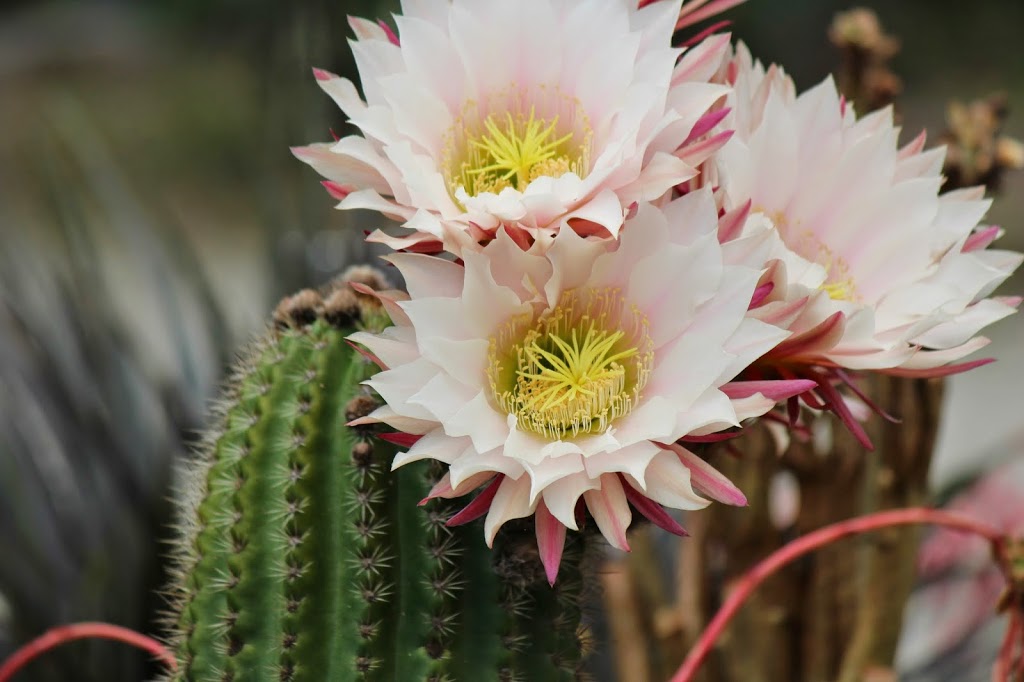

Education has been in an endless state of hibernation, but now spring is here. Once again, the philosophy, life is a circle comes true. 


Google the topic CCSS and you will find a wealth of information. What the articles don’t tell us is How?  They say students are going to be challenged. Students are the most resilient party involved, the teachers and parents are the ones who are going to be challenged the most. 

Yes teachers! Why? Simply because every manuscript they had will have to be chucked out of the window and they have to start from scratch. They have to find a way and connect the evolution of man in science to the migration of man from Africa to USA in social studies.  You would think that should be easy, it’s not. Cross-referencing subjects is not the norm for students in the USA. The weekly testing helps release the stress of semi-annual  testing, but the flip side is chapters are taught in isolation.

This is not bad news for the teachers though. It is very good news, because CCSS gives them flexibility and more elbow room to teach. They don’t have to follow a manuscript. To understand how the earth revolves around the sun, they no longer have to use charts, they can go outside, create a sun-dial and see their students come to life with excitement. 
You wonder why would parents be challenged?  Tuitions will soon be obsolete, because they don’t provide the why and how of learning. They just teach the student how to calculate and read fast.

The wealth of online resources and the new paradigm, quality education should be free is making tuitions obsolete. 2008, with the launch of Khan Academy this paradigm became a reality. This shift will require parents to spend more time with their child. These are challenging times for kids, increased pressure to succeed, an overload of knowledge and the constant need to stay connected adds to their mental stress and takes away from the fun stuff; shooting hoops and just hanging out. Kids need individualized attention that tuitions don’t provide.   More importantly, there is no one as vested in your child as yourself. So why not re-prioritize and spend time with kids and give them experiences. Give them the experience of going to a playground and being a kid and some where in between talk about the kinds of clouds in the sky or ask them how heavy does your sibling have to be for the see-saw to be balanced.  They need to see the connection between what they learn and the real world. 

When the dots connect for those little innocent minds, we as parents will see magic happen.

Have I achieved this at my home? Absolutely not. I am struggling just like many other parents but I am confident persistence will pay off. It’s a rough road that requires every ounce of patience and I am not giving up.

This week, we looked at the subjective and in some ways the philosophical perspective of education. I am going to leave you today with the question: Has education desensitized us? 

As always, thank you for visiting and taking the time to read. I would love to hear your thoughts and experiences on this subject. Next week, we take a closer look at education as an Industry. 


….. To be continued. 


Picto Blog _ PALM DESERT, CA

This holiday season, we decided to skip the long lines in the popular destinations and take the lesser travelled road to Palm Desert, CA.  
Imagine majestic mountains, a desert landscape and an oasis in the middle; that is Palm Desert, CA. Only 20 minutest east of Palm Springs, CA, it could be called sub-urban Palm Springs too. This is my first travellogue cum picto blog. Come with me to this small town where you can see life spring from stones and rocks. 
SFO _ PALM DESERT, CA _ Approx 7 hours drive assuming NO Traffic and minimal stops. It took us 9 hours. As soon as we entered LA .. it was stop and go. The last 120 miles took 4 hours 🙂 

Every good road trip needs a picnic. Lots of stops along the way to Palm Desert to have a little picnic.
As we crawl in LA traffic.. Last 120 miles took 4 hours.

Club Intrawest Lobby. Beautiful place and definitely a thumbs up accomodation.


This is what we saw as soon as we entered our accomodation. 

Many don’t like cooking during vacation.. but thank fully I don’t mind it.
Makes life a lot easier when you have a family with a varied pallete.
And this kitchen was a delight to be in.

The main living are.

DAY 1: BEAUTIFUL MORNING. 

DAY 1: SUNRISE … and view from the Patio.
Definitely a Good Morning!

Panaromic view from the patio.
Palm Desert is heaven if you like golfing. 

Day 1: Tourist Stop:  THE LIVING DESERT

Love knows no caste, color, creed or animal group.
Some Giraffe Love.
Ok.. In reality its feeding time.. they are eating from the feeder from two opposite sides 🙂 
No two giraffes have the same spots 🙂 

And you thought a nest was simply some twigs put together.
It’s a science. 

This would look gorgeous in a backyard too.
Beautiful display in the African Village at The Living Desert. 

A very handsome Yucca!
What do you think?

The Live Animal Show at The Living Desert.
This is an African Serval. Very unique animals and very up close interaction. 
DAY 2: THE PALM TRAMWAY: It takes you from a Desert landscape to a National park 8500 feet above. From a dry desert landscape to a snowy redwood forest. AMAZING! 
The beginning of the hike as we get down from the tram at the Mountain top. 

Hike starts _ Its a simple hike, but most of the walk is unpaved, so wear good shoes. 
Tree Canopies _ it was a gorgeous day. 
The Desert Trail _ An easy trail for little ones too.
There are 5 vista points, check out all of them.. they are breathtaking views.
Learnt something new.. Jeffery Pine trees.. their scent is like Vanilla or butterscotch like 🙂
And yes, we did get a few whiffs.. YUMM!

Another tree canopy.. the trees are just gorgeous. 

Can u see the Desert Below? 

Can u see the remains of the melting snow?

This was also Thanksgiving Day _ We had a gourmet meal made to specification and taste of every member of the family.  The boys wanted Chicken and the girls wanted something spicy and Indian 🙂 And why not.. Palm Desert is surrounded by Indian Reservations. 

The Thanksgiving Dinner table is set.

Pani Puri _ transcends all cultures and festivals.
Green Beans Casserole with an Indian Fusion

Chicken Tikka
Cake _ yes we bought it from the store. The kids topped it off with ice-cream too 🙂

DAY 4: INDIAN CANYONSCABOT PUEBLO, Oasis Date Gardens
The Drive to Indian Canyon. 

The Aqua Caliente Indian Reservation taken over by modern man. 
DRIVE THRO’ ATM _ IF ONLY THE BAY AREA KNEW WHAT IT WAS MISSING 🙂 
As we drive towards Palm Canyon
Wonder what thrived here before? 
Some excitement in the otherwise dry landscape
It’s dry, barren and lifeless. 
And then we see this.  The word “Oasis” comes alive. 
Life springs in the most lifeless conditions. 
As we hike down to the Palm Canyon Trail. Its a 15 miles trail.
i would not recommend going all the way.
As you hike down, you will see the Oasis area.. its perfect for those vacation Photo Opps.
Take pictures and then head on over to Andreas Canyon. 
Pictures don’t do justice to the beauty of this landscape.
ANDREAS CANYON TRAIL _ My Personal Favorite Part of the trip.
Its a 1.5 mile easy trail. Its unpaved with up and down climbing on small rocks , but its totally worth it.
You will be blown away.  The stream I am told flows all year long. 
Andreas Canyon Trail
It’s hard to believe there is a desert on the other side of the trail. 

As we exit the trail, this is the view that greets us.
It was surreal.

Cabot Pueblo. A very nice little Pueblo… tucked away in its own world.
If you have time, take their tour.
A door in the Pueblo. Love the words next to the door.
“There is no place just like this place, anywhere near this place. So this must be the place.” 

Notice, I did not link this in the post above. We were hoping for it to be more
than just a date shop.
Well that’s the impression we got after eading its flyer at the hotel.
But it does not have tours, just a 15 minute video and its a very basic date shop.
But if there is still time in the day, go on over _ their date cakes are pretty good and so are the dates that you will buy.

Day 4, we head out early from our hotel, hoping to hike a little in Joshua National Park before 
heading home. But seeing the traffic and how far away it was, we saved it for the next trip to 
Palm Desert 🙂 Yes, I think we will go here again some time. 

It’s one of those places that surprises you. We went thinking there won’t be much and the 
only saving grace will be the hotel pool.  At the end of the vacation, we realized, we tested the
pool waters only once. 

All in all, a great place to take your family to.  Next time you don’t know where to go to.. 
Think Palm Desert, CA.